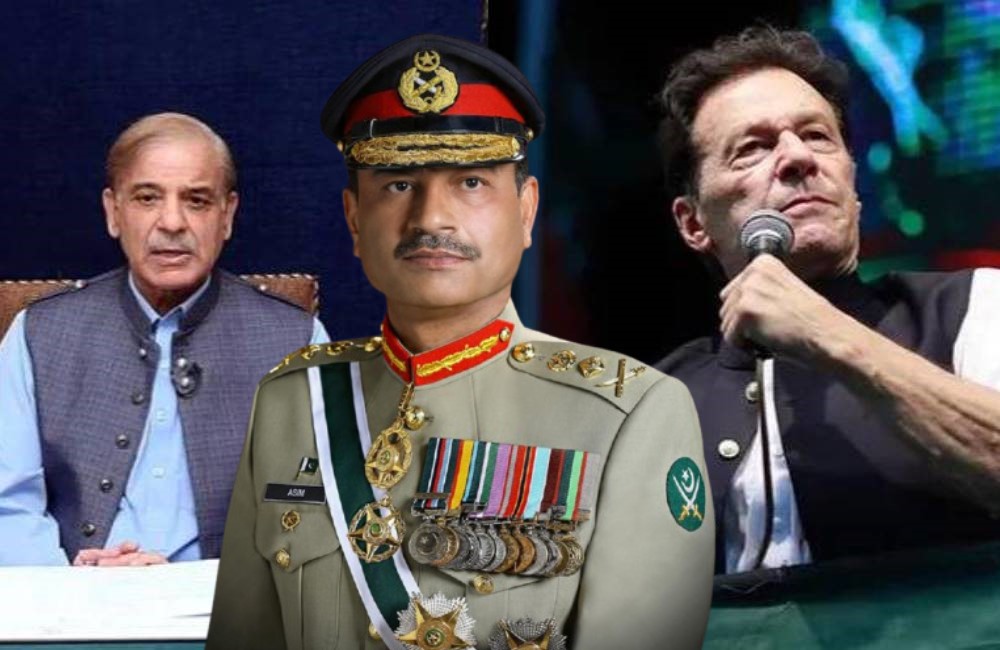
In a country often defined by its crises, moments of unity can arrive unexpectedly. One such moment emerged in Pakistan this past May, when streets once filled with protestors turned into arenas of celebration. Flags waved, slogans rang out and an institution long seen with suspicion, the military, was suddenly the center of national pride.
It was a remarkable sight, especially considering the events of just two years earlier, when the same institution had faced unprecedented public backlash. What explains this dramatic shift? Analyst and columnist Bahauddin Foizee offers a striking exploration in his op-ed, “How War Temporarily Redeemed Pakistan’s Military.”
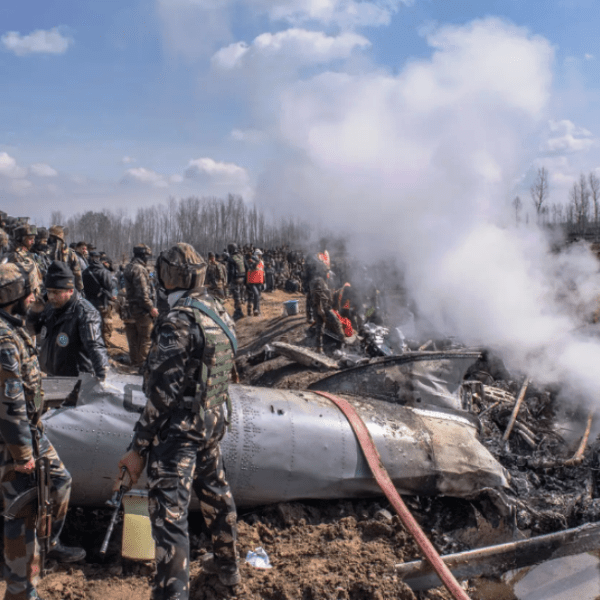
Foizee’s piece moves deftly between recent history and present tensions, tracing how the military, once vilified following the May 9, 2023 unrest, reclaimed public favor in the aftermath of a brief but intense military conflict with India. His opening lines draw attention to the whiplash-like change in public mood, from a “Black Day” of protests to a “Day of Righteous Battle”, and ask a question that lingers throughout the essay: has the military truly redeemed itself or is this simply another chapter in Pakistan’s long history of politically expedient patriotism?
This is not a triumphalist narrative. Foizee is careful to emphasize that the military’s current popularity rests less on institutional reform and more on a familiar emotional rally: nationalism during wartime.
The op-ed author acknowledges that Pakistan’s armed forces are, indeed, often the last line of defense in moments of external threat. But he also insists that their domestic role, marked by political interference, repression and an erosion of civil liberties, cannot be so easily erased by a few days of battlefield valor.
The analysis is particularly sharp when the author turns to the psychological dimension of national sentiment. He shows how fear and pride are not just opposites but interchangeable tools in shaping public perception.
The military, once feared for its dominance, is now praised for its defense. Yet the transition, as Foizee warns, is less a sign of earned trust and more a reflection of Pakistan’s reactive political culture. His concern is not that the military enjoys temporary support, but that this support may once again be weaponized to suppress dissent or stall progress.
What gives the op-ed its quiet urgency is the final message: wartime legitimacy is not a long-term mandate. The military’s future relevance will depend not on brief surges of national pride, but on its ability to relinquish political control, respect civil institutions and foster lasting public trust.
The op-ed, in the end, is less about war and more about memory, accountability and the fine line between redemption and relapse.


 South Asia Politics