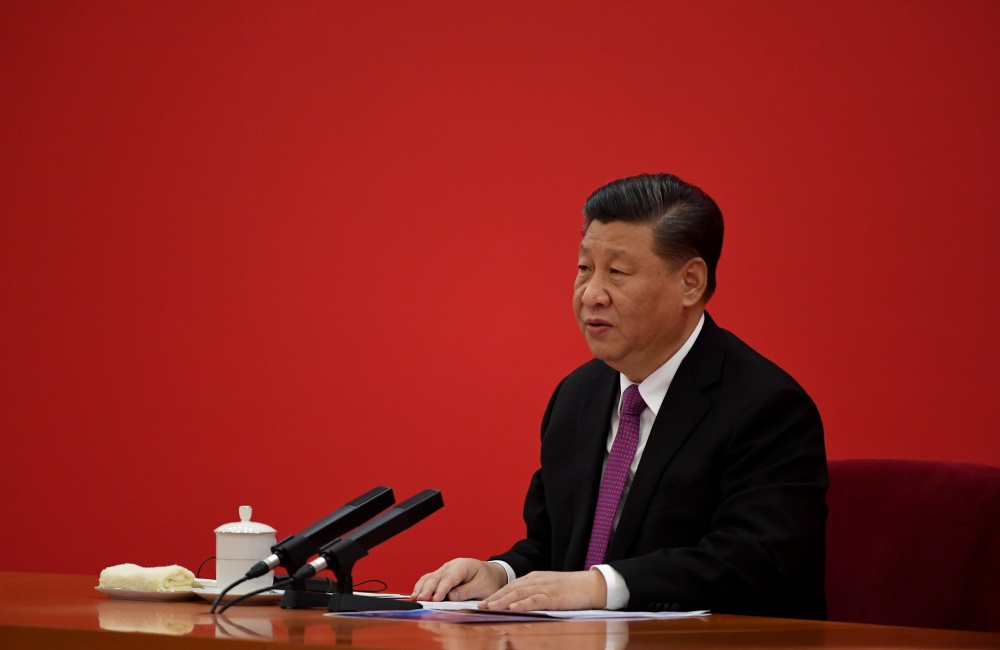
The Belt and Road Initiative (BRI), launched by China in 2013, has significantly impacted infrastructure development across South Asia, exemplified by projects like the China-Pakistan Economic Corridor (CPEC).
Initially seen as a transformative development opportunity for poorer countries, the BRI promises major infrastructure investments, such as roads, railways and ports, which China hopes will facilitate trade routes and enhance geopolitical influence.
However, the initiative has faced mounting criticisms and challenges, including accusations of debt-trap diplomacy, political interference and corruption.
The CPEC, a key part of this vision, aimed to connect China’s western regions to Central Asia and the Middle East via Pakistan, bypassing long maritime routes. Despite its strategic importance, progress has been slow, hindered by delays, Pakistan’s economic crisis and the lack of infrastructure development in Gwadar port. Pakistan’s debt to China has escalated, compounding the country’s broader financial troubles.
Similarly, neighboring countries like Bangladesh, Nepal and Sri Lanka have experienced mixed results with Chinese investments, with some citing unsustainable loans and rising political interference.
Critics argue that China’s infrastructure investments often come with fewer conditions and faster timelines than those of institutions like the International Monetary Fund (IMF) or World Bank, making them attractive to governments in urgent need of development. However, this has led to an imbalance, with countries struggling to repay the debts, leading to economic instability and social unrest, as seen in Sri Lanka.
Despite these issues, China’s BRI has spurred growth in regions otherwise neglected by the West, forcing global competitors like the European Union, India and Japan to respond with alternative investment strategies.



 South Asia Politics