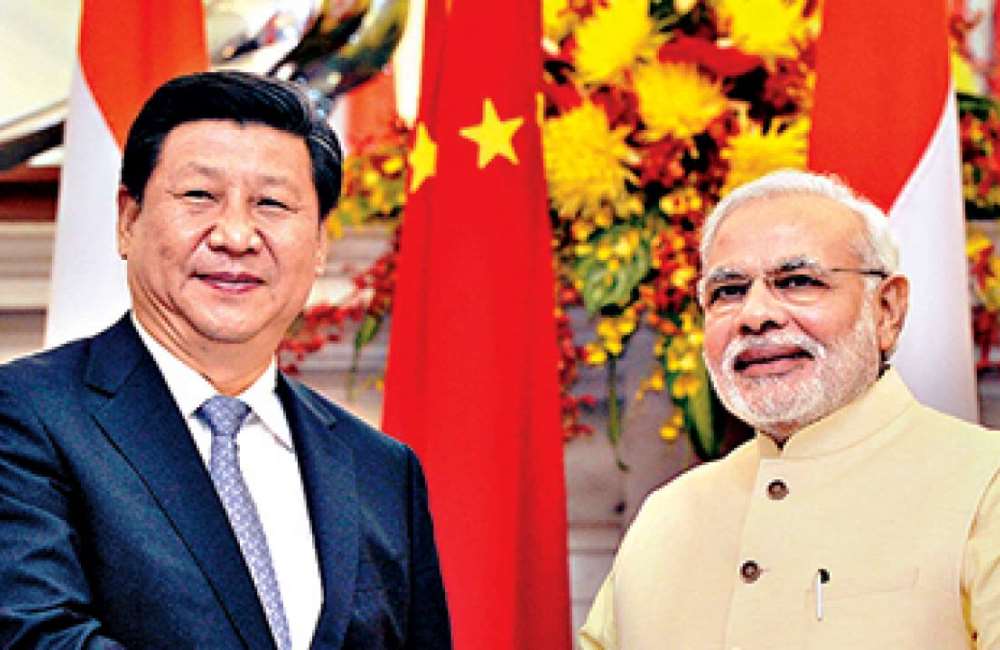
South Asia, home to nearly two billion people and some of the world’s fastest-growing economies, has become a critical geopolitical battleground due to the intensifying rivalry between China and India.
Despite sharing common characteristics such as large populations, nuclear capabilities and ambitions for multipolarity, both countries view each other with deep suspicion, leading them to compete for influence in the region, particularly in the Indian Ocean and South Asia.
China’s strategy to expand its influence in the region is driven by both economic and security interests. Through its Belt and Road Initiative (BRI), China has significantly increased investments in infrastructure across South Asia, positioning itself as a major economic partner to countries like Pakistan, Sri Lanka and Bangladesh. For China, the BRI is not just an economic tool but also a means to strengthen its naval presence and secure access to vital global shipping routes.
China’s growing footprint in South Asia and the Indian Ocean has prompted concerns in India about being encircled by Chinese investments and military presence, exemplified by China’s activities in Sri Lanka and the construction of a military base in Djibouti.
In response, India has pursued a more proactive foreign policy, marked by its “Neighbourhood First” and “Act East” policies. These initiatives focus on strengthening regional ties, offering credit lines and investing in key infrastructure projects to counterbalance China’s growing influence.
India’s efforts include deepening economic and political ties with countries like Nepal, Sri Lanka and Bangladesh, and enhancing its presence through Indian conglomerates like the Adani Group.
However, both countries face significant challenges. China’s BRI has attracted criticism for creating unsustainable debt burdens in recipient countries, while India’s own foreign policies are sometimes viewed with suspicion, particularly due to territorial disputes and accusations of meddling in regional politics. This has fostered anti-India sentiment in countries such as Bangladesh and Nepal, complicating India’s efforts to maintain regional dominance.
This geopolitical rivalry between China and India occurs within a broader context of U.S.-China tensions, offering smaller South Asian nations opportunities to leverage both powers for economic and strategic gains. Yet, this delicate balancing act also risks dragging these countries into larger global conflicts, as seen in Nepal’s struggle to manage its relationships with both China and India.
The regional experts believe that the future of South Asia hinges on how these smaller states navigate the increasing competition between China and India, with their ability to avoid becoming pawns in this geopolitical chess game remaining uncertain.
The region’s stability will depend on the strategies employed by these powers and how they manage the competing interests that shape South Asia’s evolving political landscape.



 South Asia Politics