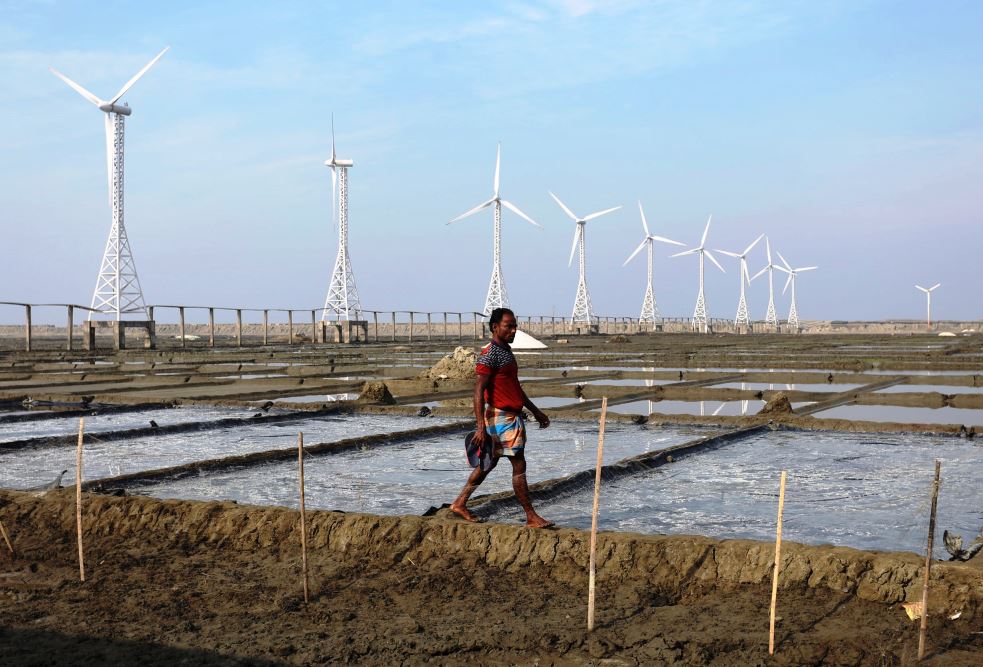
The geopolitical and energy landscape of South Asia is deeply influenced by the ongoing rivalry between global powers, including China, Russia and the United States, while the region grapples with the complex “energy trilemma” — balancing energy security, equity and environmental sustainability.
The March 2023 summit between Chinese President Xi Jinping and Russian President Vladimir Putin, alongside calls for climate solidarity by UN Secretary General António Guterres, highlights the challenges facing South Asia, a region at the crossroads of energy demand, climate vulnerability and shifting geopolitical allegiances.
South Asia’s energy security is precarious. As major importers of oil, gas and coal, countries like India, Pakistan and Bangladesh are increasingly dependent on volatile global markets. India’s reliance on Russian oil, purchased at steep discounts after Western sanctions, underscores the region’s entanglement in geopolitical rivalries.
Meanwhile, rising natural gas prices and competition for LNG supplies, especially with China’s economic recovery, are creating an uncertain future for South Asian nations that have already been struggling with limited energy resources.
The region also faces an energy equity crisis, with millions of people still lacking access to electricity. While countries like India and Bangladesh have made strides in connecting rural populations through solar and off-grid solutions, Pakistan has lagged behind.
Innovative solutions such as microgrids and rural electrification programs are making a difference, but systemic issues like corruption, financial weaknesses and natural disasters remain significant obstacles.
On the environmental front, South Asia is under immense strain from both climate change and industrialization. The region is a major emitter of carbon dioxide, driven largely by coal consumption in India, which is the world’s second-largest coal user.
Despite efforts to diversify energy sources, such as ambitious renewable energy targets in India and Pakistan, coal remains central to energy strategies.
Recent policy reversals in Bangladesh and Pakistan to expand coal capacity, even amid high debt burdens, reflect the challenge of balancing economic growth with environmental responsibility.
In this context, the region’s growing dependence on China and Russia for energy technologies, such as nuclear and renewable power, raises questions about the influence of these powers in South Asia’s energy future. China, in particular, has been active in exporting nuclear technology and financing energy projects, further tightening its grip on the region’s energy markets.
To address these challenges, Robert F. Ichord, Jr, former official of U.S. Department of State, argues in his Atlantic Council article for expanded Western involvement, particularly through U.S. and G7-led initiatives.
Robert suggests that the U.S. could deepen its engagement with South Asia through clean energy partnerships, building on existing programs like the Clean EDGE Asia initiative. Strengthening energy infrastructure, improving grid reliability and supporting the integration of renewables should be prioritized to help the region transition to a more sustainable energy future.
Robert further suggests that the upcoming G20 meeting in India offers an opportunity for Western countries to reinforce their commitment to South Asia’s energy transformation, emphasizing multilateral collaboration and innovative public-private partnerships.
In sum, South Asia’s path forward hinges on finding a delicate balance between energy security, social equity and environmental sustainability. This will require strong leadership, strategic partnerships and significant investments in clean energy technology, with the region’s diverse countries facing distinct but interconnected challenges on their road to sustainable development.




 South Asia Politics